Academic Framework
The academic framework is thoughtfully designed to ensure a balanced integration of theoretical
knowledge and practical teaching experience.
It follows a structured approach aligned with affiliating university guidelines and regulatory
bodies.
The focus is on developing competent educators with strong subject knowledge, pedagogical
skills, and professional ethics.
It encourages critical thinking, reflective learning, and continuous improvement.
Teaching Methodology
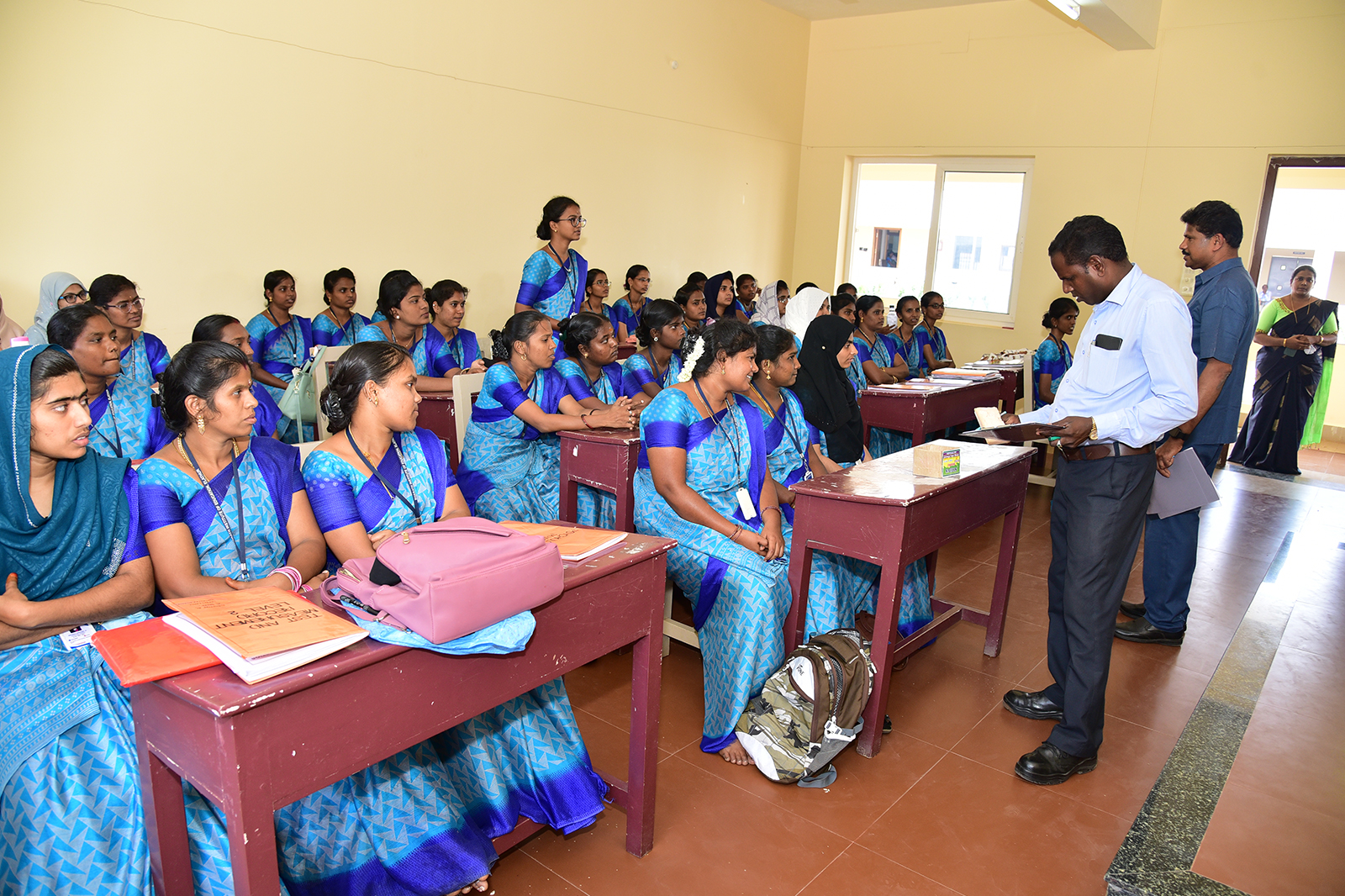
The institution adopts a learner-centered teaching methodology focusing on active participation
and experiential learning.
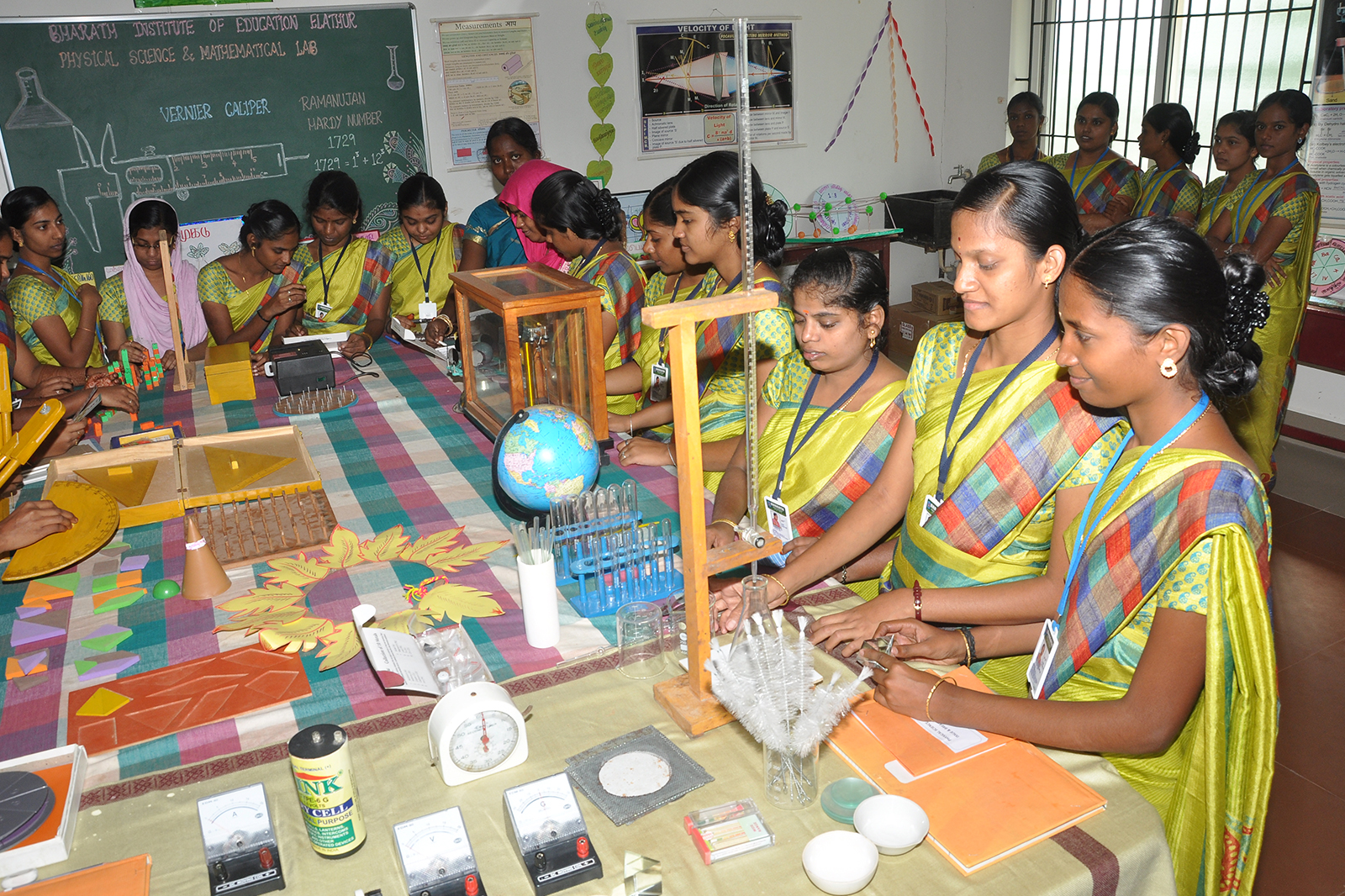
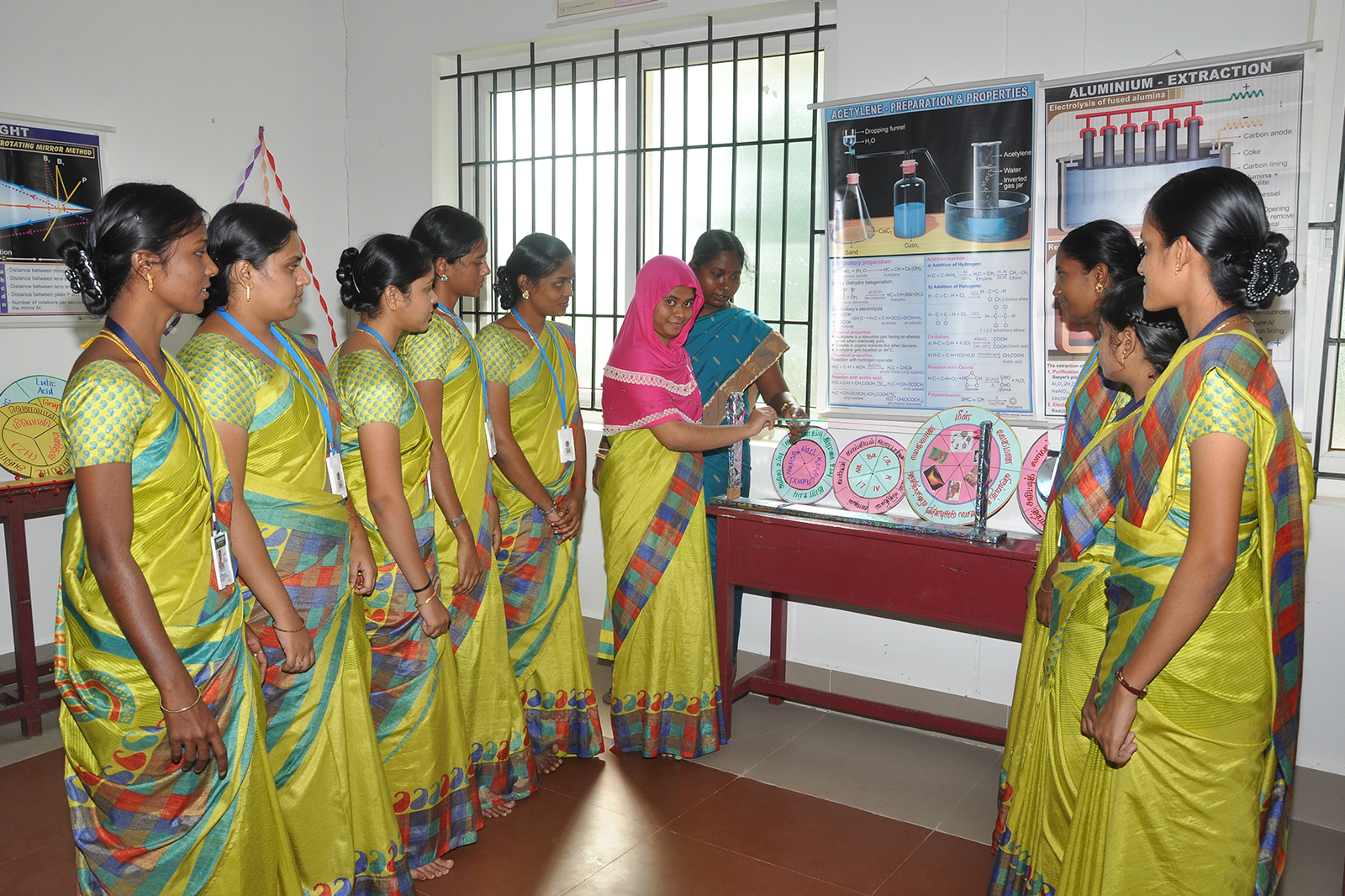
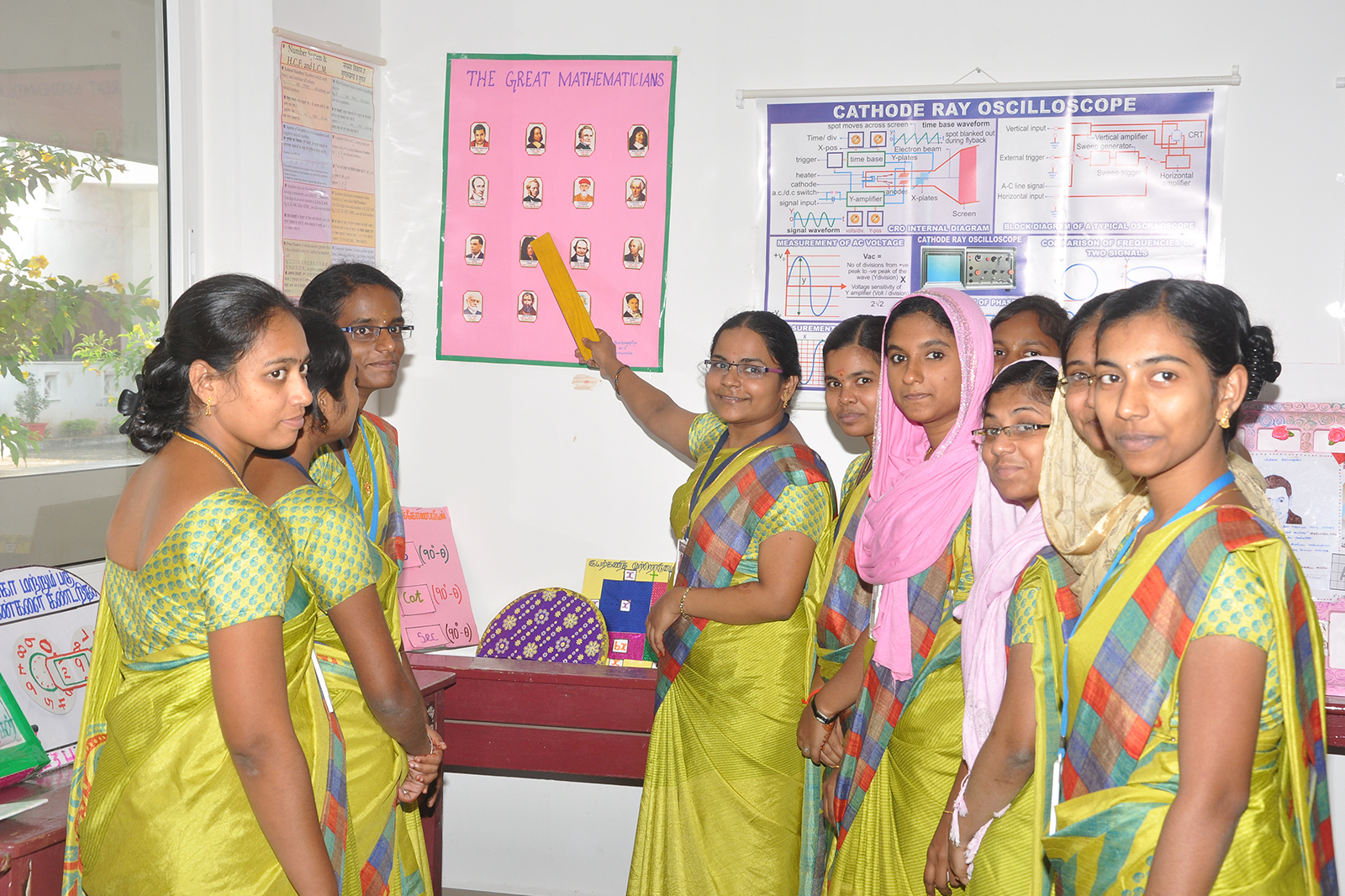
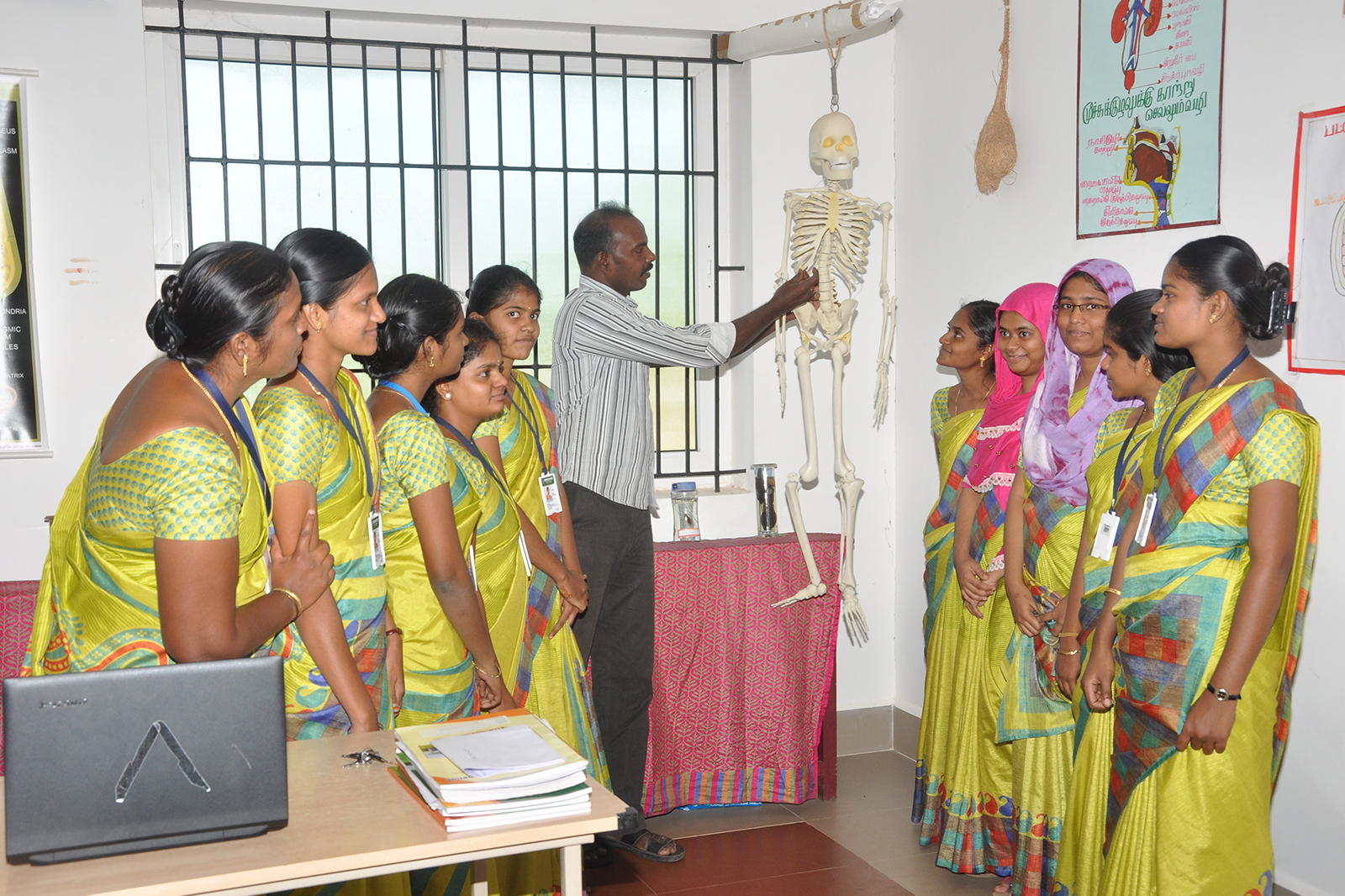
Faculty use discussions, demonstrations, group activities, case studies, and digital tools.
This ensures student-teachers are well-prepared to engage and inspire future learners.
Curriculum Structure
The curriculum includes core educational theories, pedagogical studies, and elective subjects.
Practical components like teaching practice, internships, and fieldwork are emphasized.
It is regularly updated to reflect modern educational trends and advancements.
Training & Pedagogy
Training focuses on lesson planning, classroom management, assessment techniques, and student
engagement.
Micro-teaching, practice teaching, and peer evaluation enhance teaching skills.
It develops professional attitude and reflective teaching practice.
Workshops & Seminars
Workshops, seminars, and guest lectures are regularly conducted by experts and educators.
These programs enhance academic exposure and awareness of new educational trends.
They also improve communication skills and confidence among students.
Co-Curricular Activities
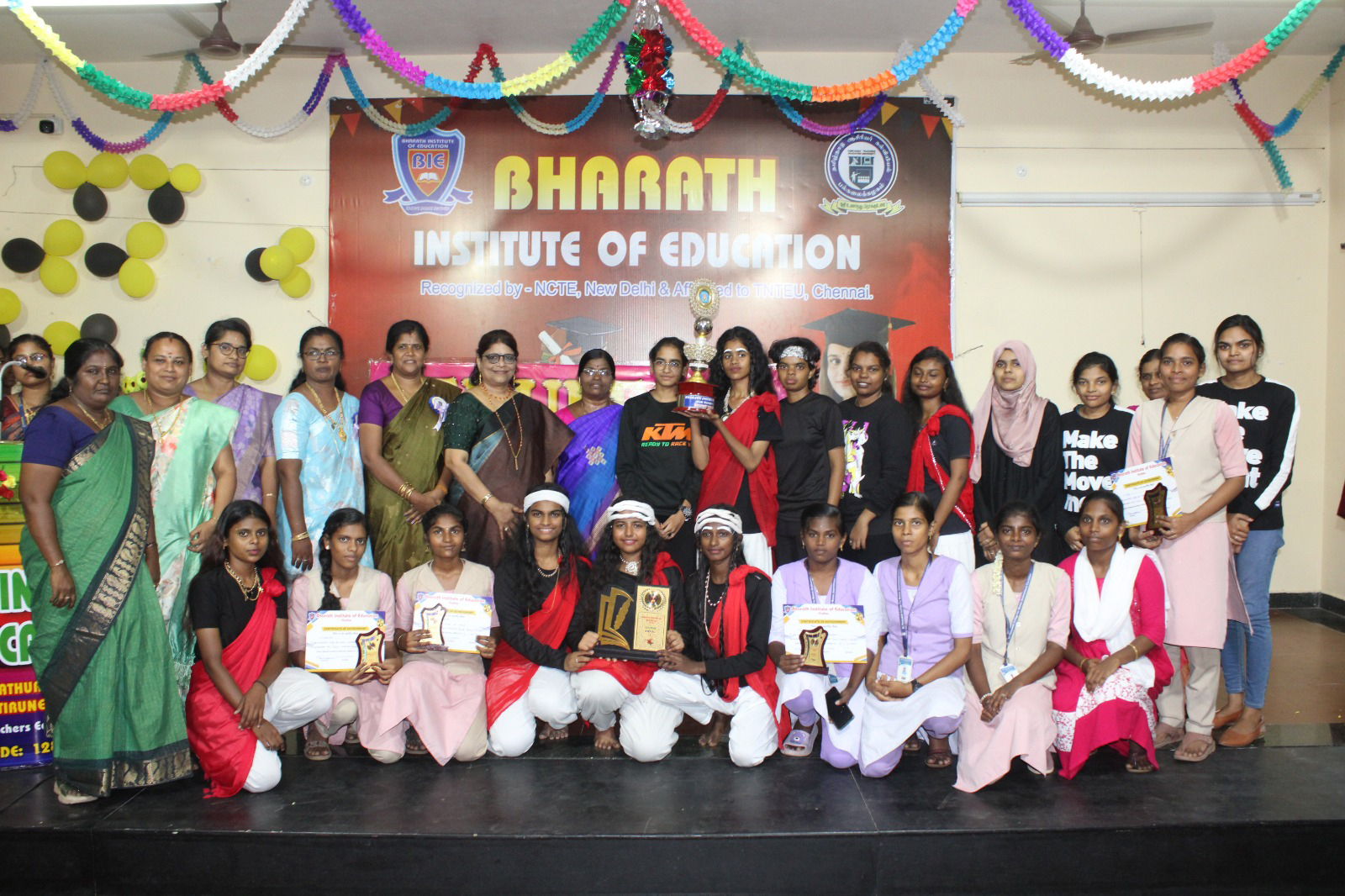
Students actively participate in debates, cultural programs, competitions, and academic events.
These activities enhance creativity, leadership qualities, and teamwork.
The institution ensures holistic personality development for every student.